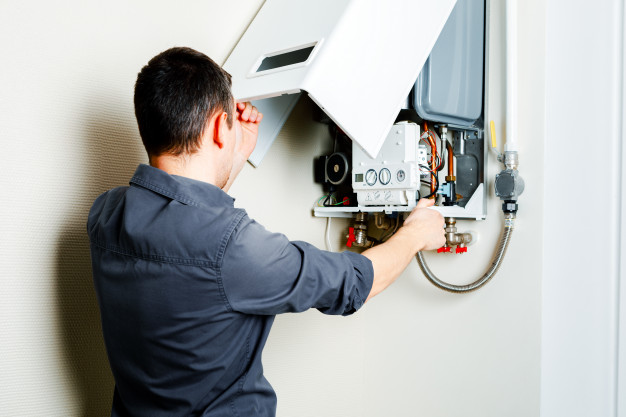
6 Experts Tips On Boiler Repair St Helens
Your boiler device is one of the most expensive investments which you make, therefore, this is understandable that you’d like to ignore replacing it for as long as possible. Well, regular maintenance is vital to keeping your boiler device healthy as well as efficient in the long run! Here, you need to keep in mind that a faulty or defective boiler is risky not only for you but also for your family.
So, whenever you find any sorts of issues with your boiler, you can immediately opt for the boiler repair St Helens.
Boiler Maintenance Tips & Tricks
Here are the top 6 boiler maintenance tips that not only help you to save your money but also future headaches. On the other hand, you can always, get in touch with boiler repair St Helens and ask for instant assistance!
1. Yearly boiler Service
Getting your boiler serviced yearly is the most convenient way in order to enhance its lifespan, prevent serious damages, and be sure it works flawlessly. Professional servicing keeps the warranty valid.
The expert attempts to solve the major to minor troubles early on before they become dangerous and costly. So, do not postpone, contact professional boiler repair St Helens to get your boiler checked properly.
2. Repressurise the Boiler
When your boiler is in running condition, it is better to verify the pressure gauge in order to be sure that it is within the manufacturer’s suggested values. Try to repressurise your boiler so that it will work as it is supposed to do. Work cautiously to avoid further damage or expensive boiler repair St Helens.
3. Bleed the Radiators
Have you ever observed that your radiators are cold at the top and warm at the bottom? This defines that there is trapped air inside, decreasing their efficiency. Follow the underlying easy steps to fix the issue:
- Initially, protect the carpet with plastic covers in order to restrict the potential stains
- Put the important thing into the bleed valve and flip it anticlockwise, while holding a cloth below to catch any droplets.
- The air comes out of the radiator under pressure, which causes a hissing noise.
- After releasing all the trapped air, the hissing sound will stop automatically, and a few drops of water starts coming out. Use any fabric to absorb the water droplets.
- Turn the radiator key clockwise in order to shut the valve.
Your radiator ought to be heated all of the manners to the top now. After bleeding your radiators, don’t neglect to test the boiler pressure, since the process might pose an impact on it.
If you notice that the radiator is not getting heated, even after bleeding, then it is recommended to check the thermostatic radiator valve, since it contains the temperature control numbers on it. Over time, the pin gets stuck and stops water from passing into the radiator. In that case, try to remove the cap of the thermostatic valve and apply an adjustable wrench in order to move the pin up and down, therefore, loosening it and enabling water to flow.
This can be quite confusing to understand how to bleed your radiators. Not to state the fact that when you handle the work by yourself, the boiler pressure can drain drastically and cause you additional difficulties on the road. With the professional assistance of John ONeill Heating and Plumbing, you can skip this trouble and get your units bled securely in no time.
4. Verify the Ventilation
Try to keep away any clutter or item from your boiler. Letting the boiler breathe is necessary for it to run securely since it naturally gets heated while working.
5. Attempt to Balance the Radiators
Balancing the radiators implies modifying their valves in order to create an even distribution of heated water to everyone. Usually, the radiators that are the most distant from the boiler are cooler.
While it is more difficult than bleeding the radiators, it is worth doing since it supports the system to heat the home more smoothly. For larger properties, it may be a good idea to reach out to professional boiler repair St Helens.
6. Check Out for Leaks and Drips
Make sure to check periodically water drips or leaks around the boiler including the pipes. As we all aware of the fact that corroded pipes are generally prone to leaking and are the initial indication that your boiler may be due for a replacement.
Also, your boiler may leak if the pressure is too high, therefore, it is advised to observe the pressure gauge as well. In case of a minor leak or drip, fix it on your own other than seeking expert assistance!

